
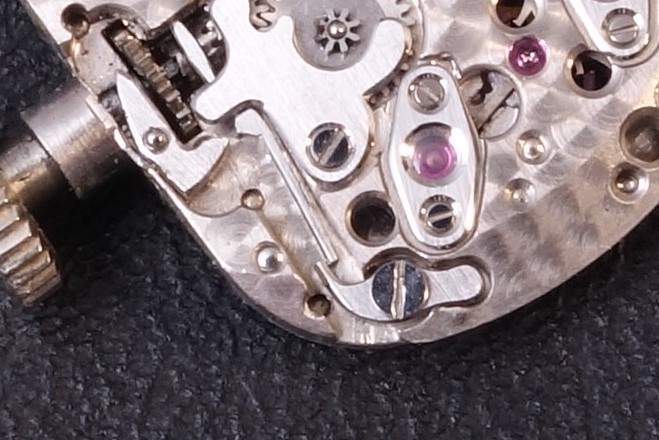
The clutch lever spring—responsible for controlling the transition between winding and hand-setting via the crown—has fractured.
Such failures are often the result of metal fatigue, and replacement parts are among the most difficult to obtain.
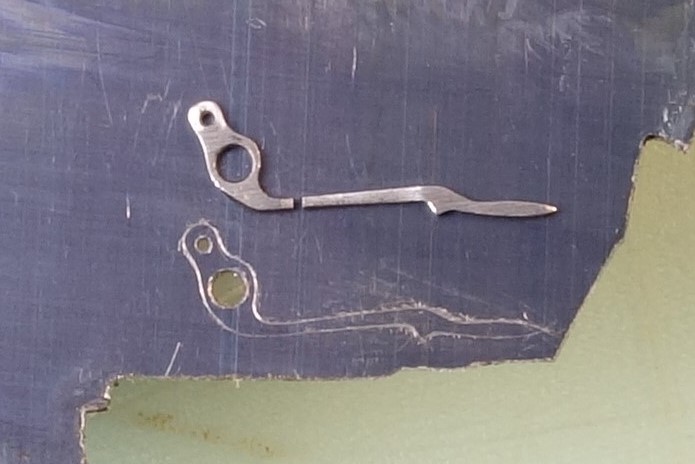
The profile of the original component is transferred onto a sheet of carbon steel.
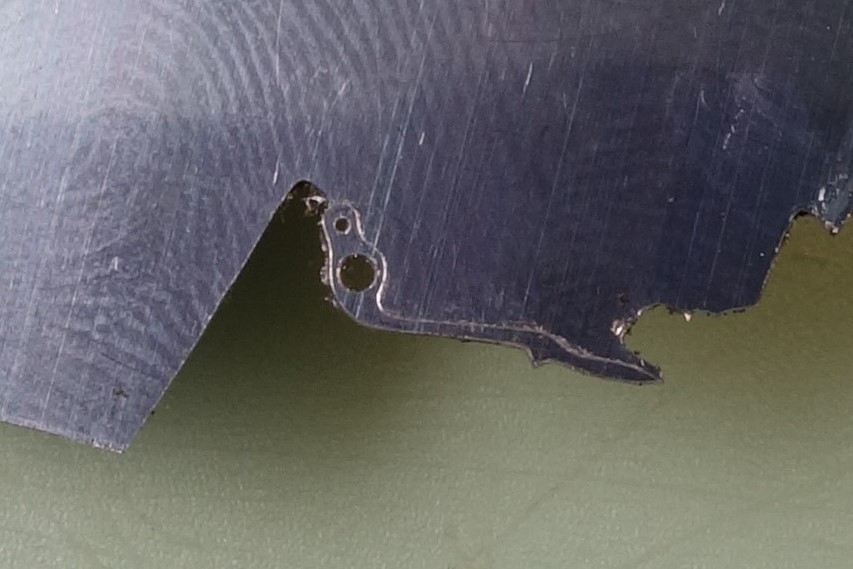
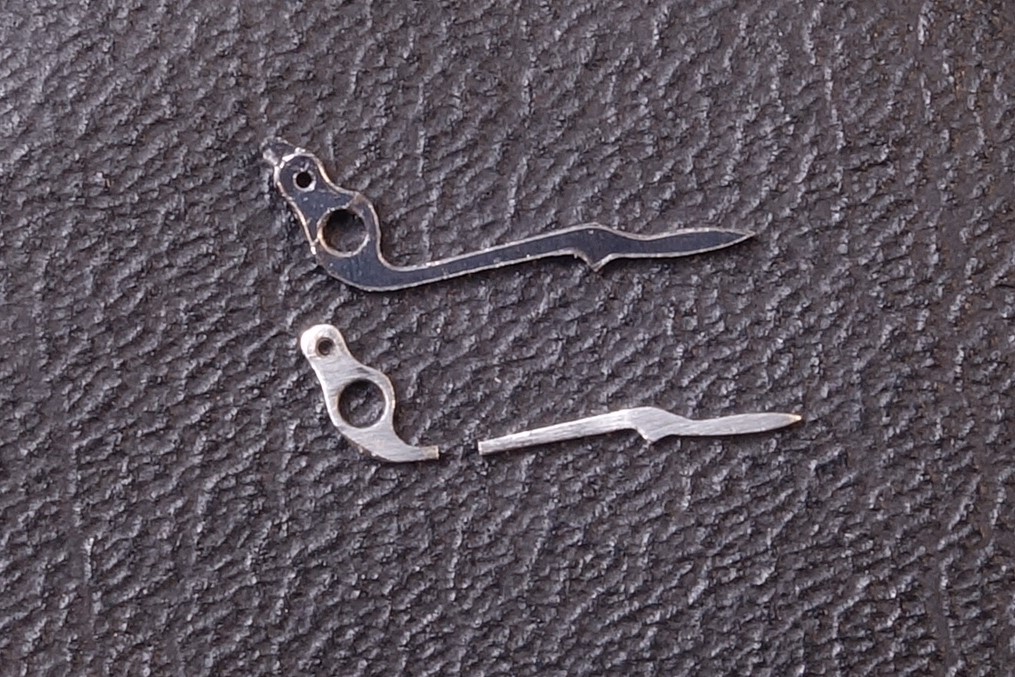
The blank is then roughly cut and brought closer to form.
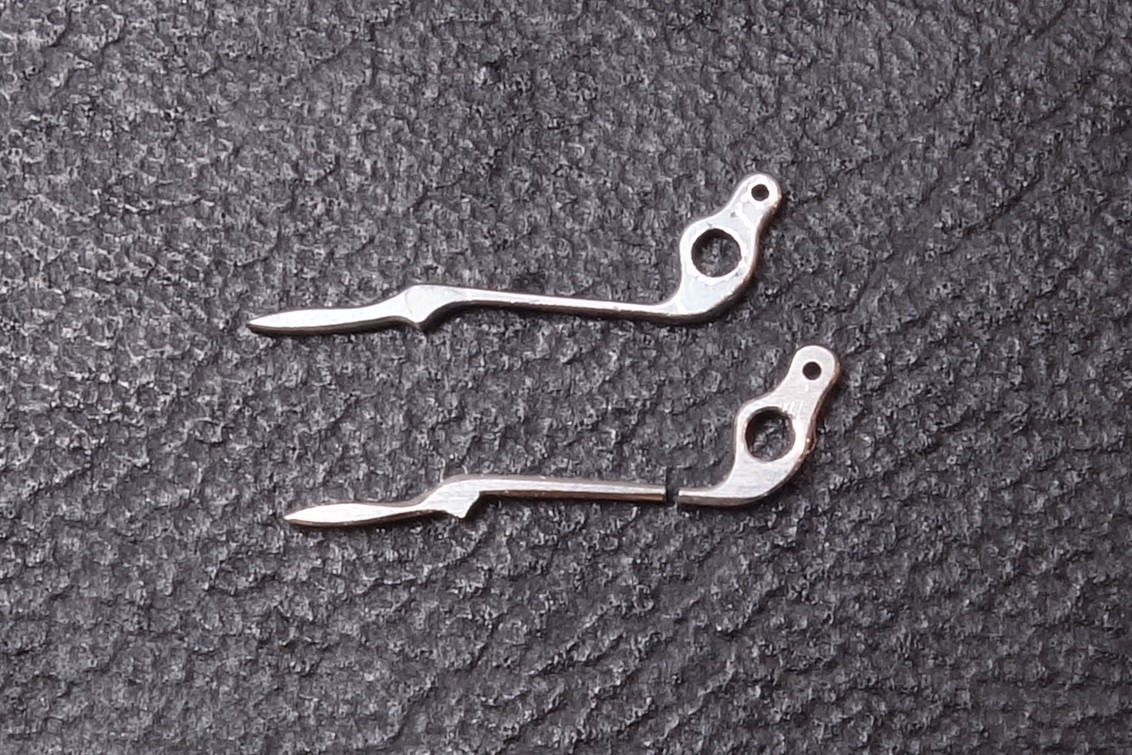
The shape is gradually refined, with dimensions checked throughout the process.
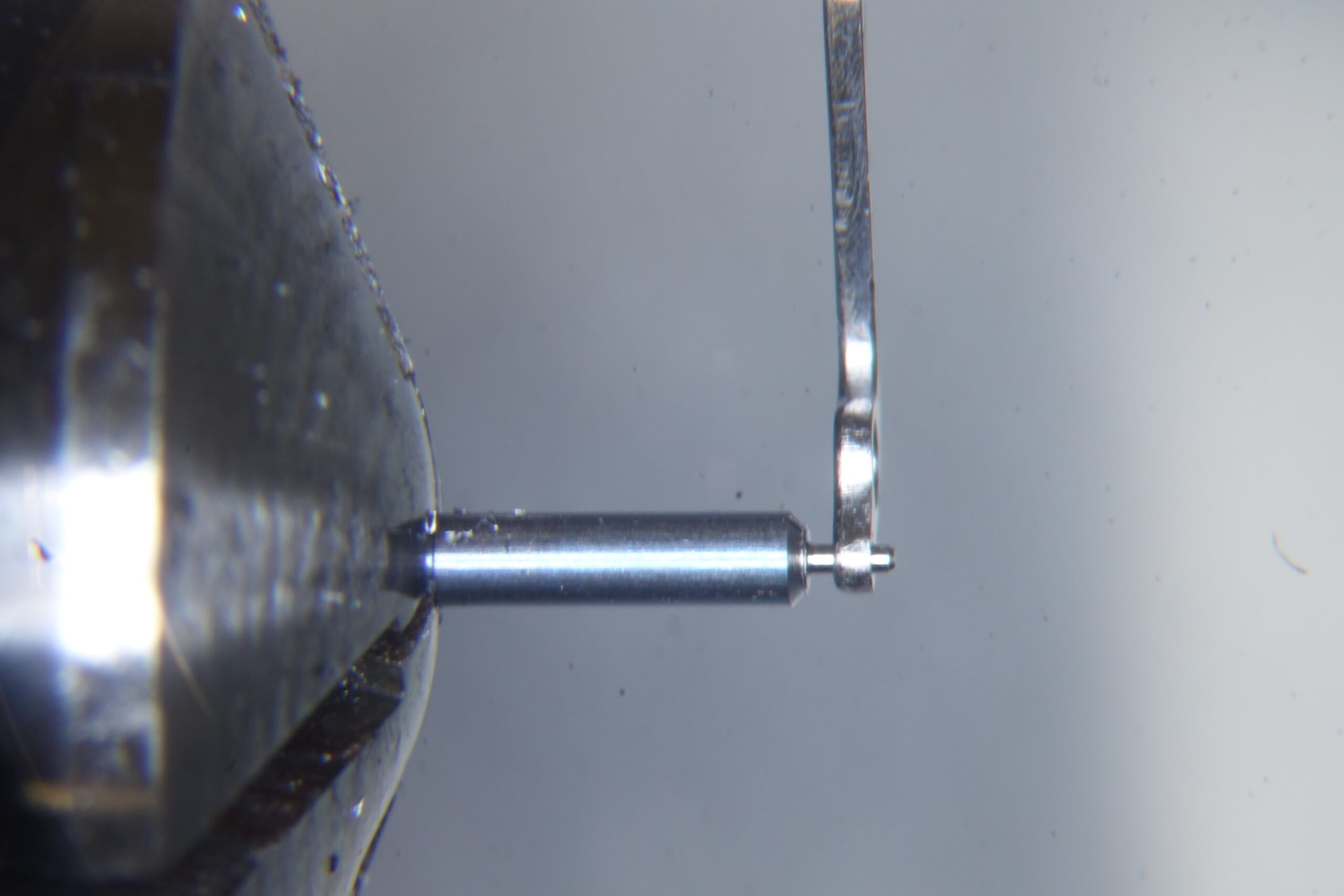
A locating pin, fitting the plate, is turned separately on the lathe.
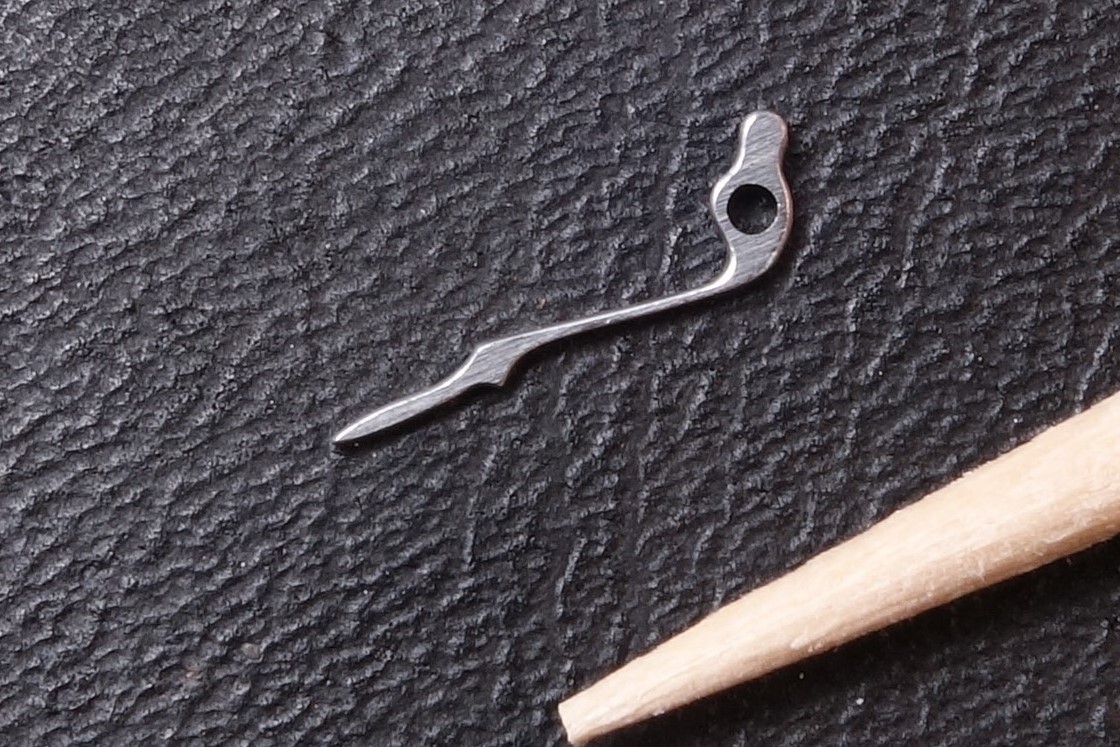
The pin is fitted by friction.
The surface is then given a fine hairline finish, with edges lightly bevelled to match the original appearance.
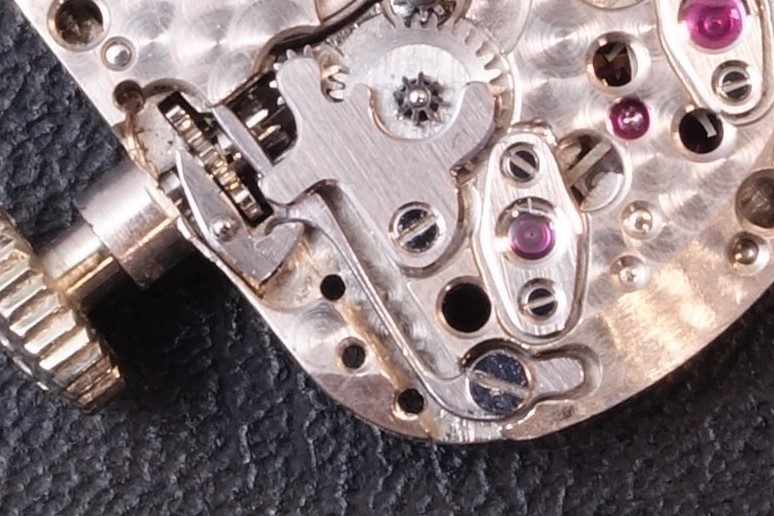
The spring is thus completed, in the hope of many years of reliable service.