
What is Overhaul?
A watch overhaul (often called a “full service”) is a complete maintenance process where a mechanical watch is taken apart, cleaned, repaired if necessary, and reassembled to restore its performance.
Here’s what it typically involves:
1. Disassembly
The movement is completely taken apart into individual components.
2. Inspection & Repair
Each part is checked for wear or damage. Worn components may be repaired or replaced to ensure proper function.
3. Cleaning
All components are cleaned to remove old oils, dirt, and debris that affect performance.
4. Reassembly & Lubrication
The movement is reassembled and lubricated with precise amounts of specialized oils at specific friction points.
5. Regulation
The movement is adjusted for accuracy to fine-tune rate, amplitude, and beat error.
6. Exterior
The case, crown, and bracelet are thoroughly cleaned, and gaskets are replaced as necessary.
A water resistance test is then conducted.
7. Testing
The watch is tested over several days to ensure stable performance and reliability.
The steps above outline our standard overhaul process.
However, "overhaul" can mean different things depending on the watchmaker's individual standards.
We invite you to learn more about the precise and dedicated work we put into every timepiece.
1-1. Disassembly - Mainspring Barrel
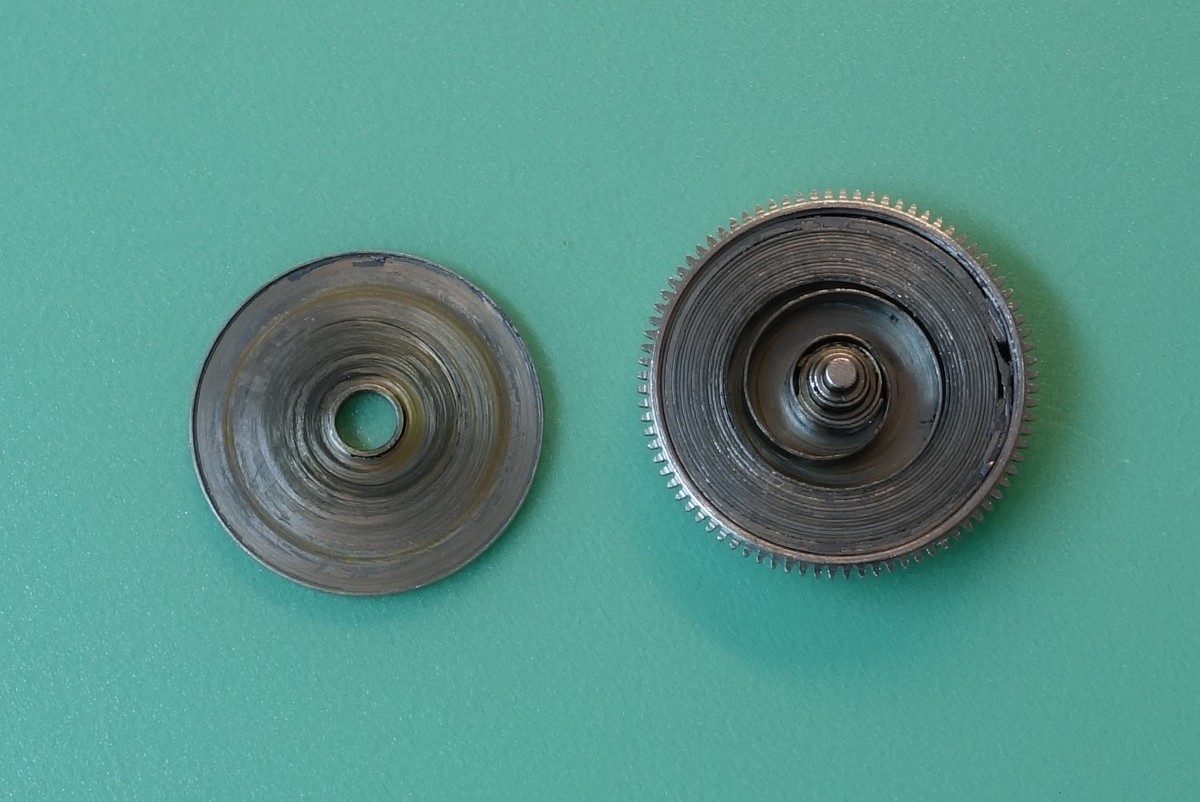
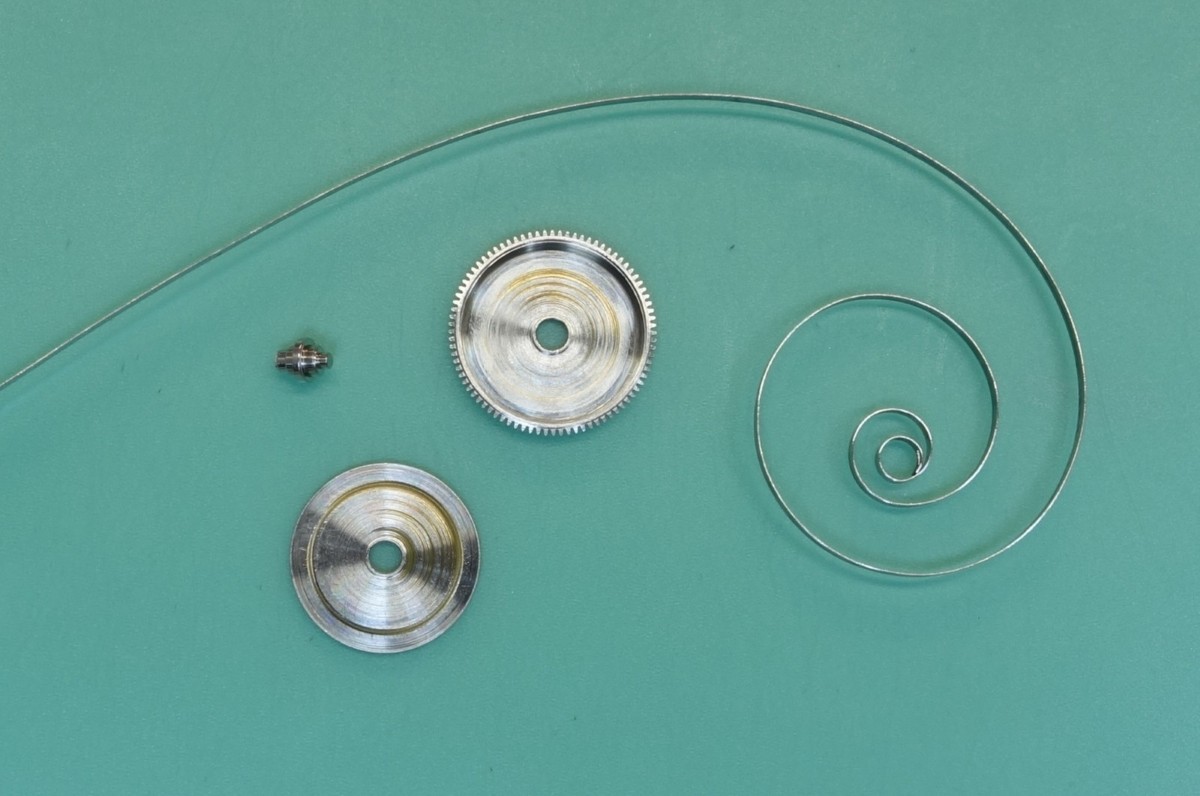
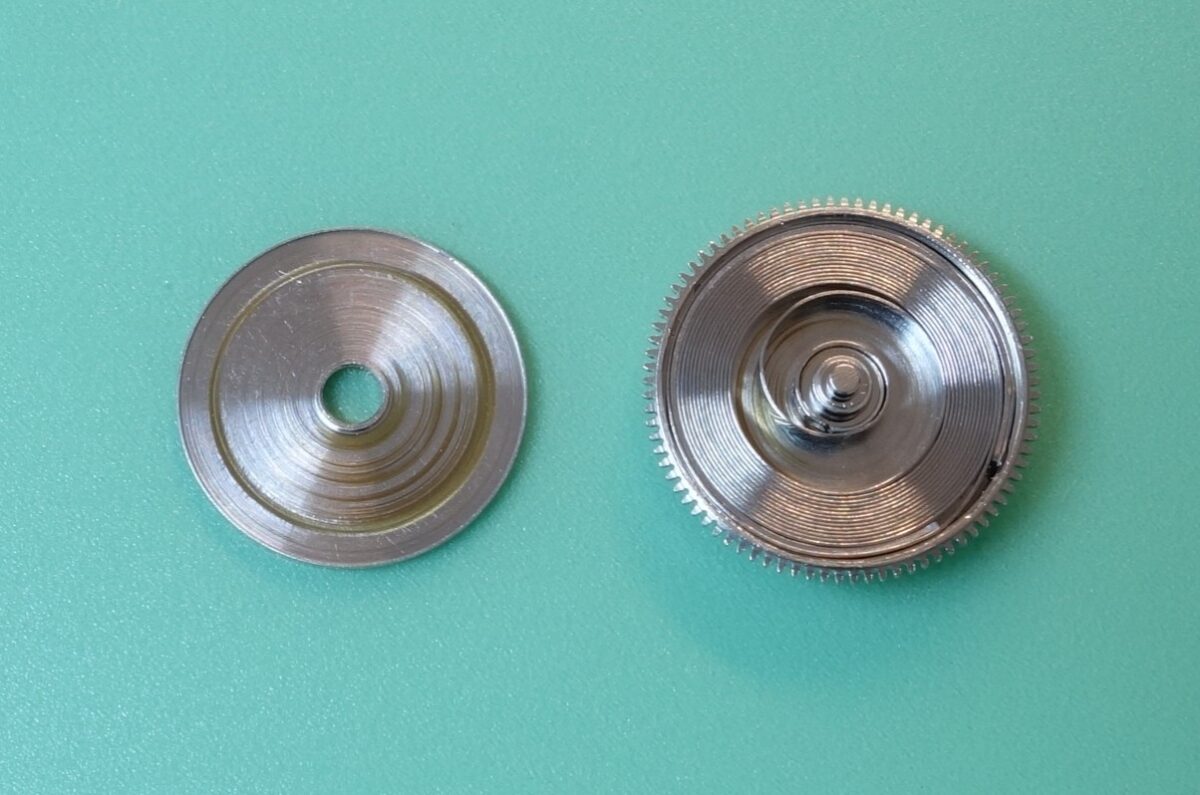
The barrel is opened, and the mainspring is removed.
As the source of the movement's motive power, this area is subject to the highest amount of stress.
To ensure optimal torque, all old oil and debris must be thoroughly removed and replaced with clean, high-quality lubricant.
If the barrel runs out of oil, the friction from the mainspring can score the inner walls, generating microscopic metal dust. This dust can severely wear down the barrel's arbor holes (bearings).
Furthermore, increased friction between the coils of the mainspring significantly heightens the risk of it snapping.
1-2. Disassembly - Cap jewel
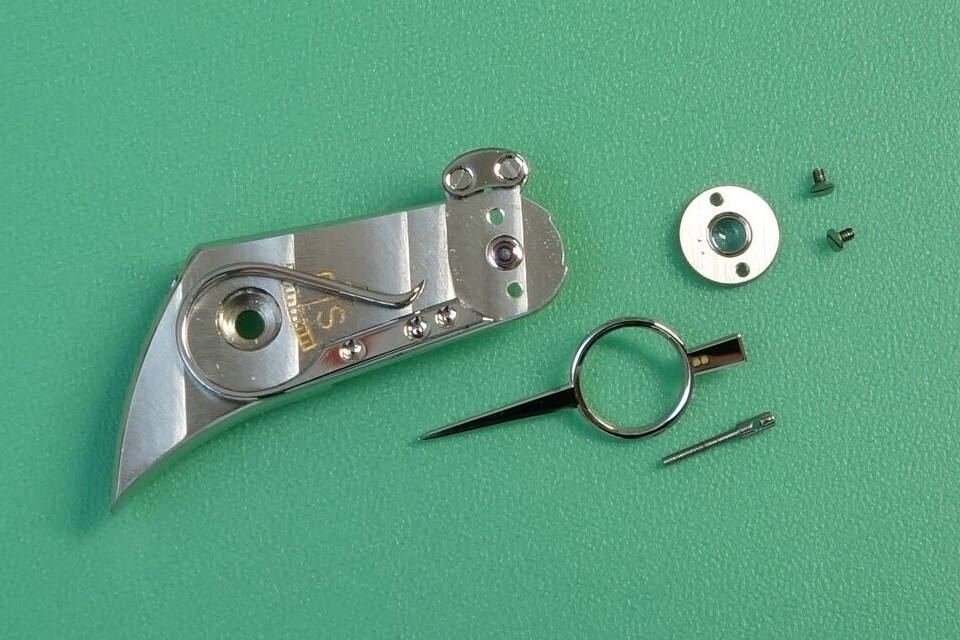
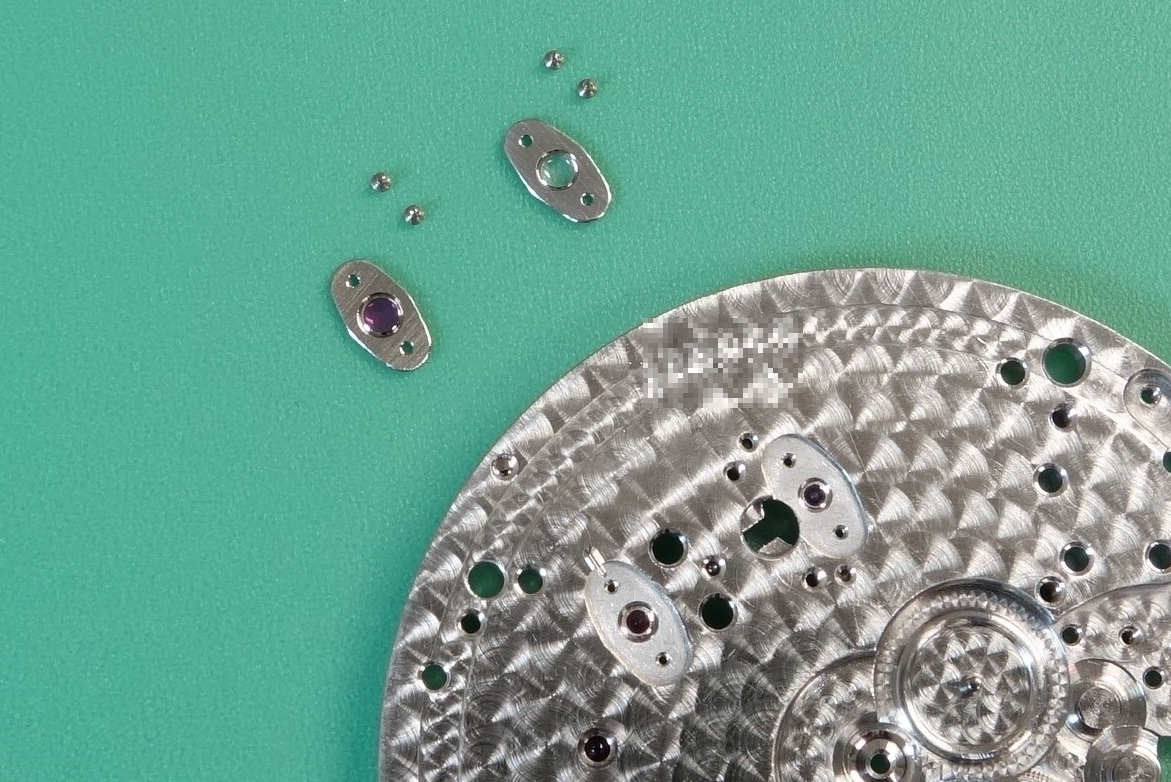
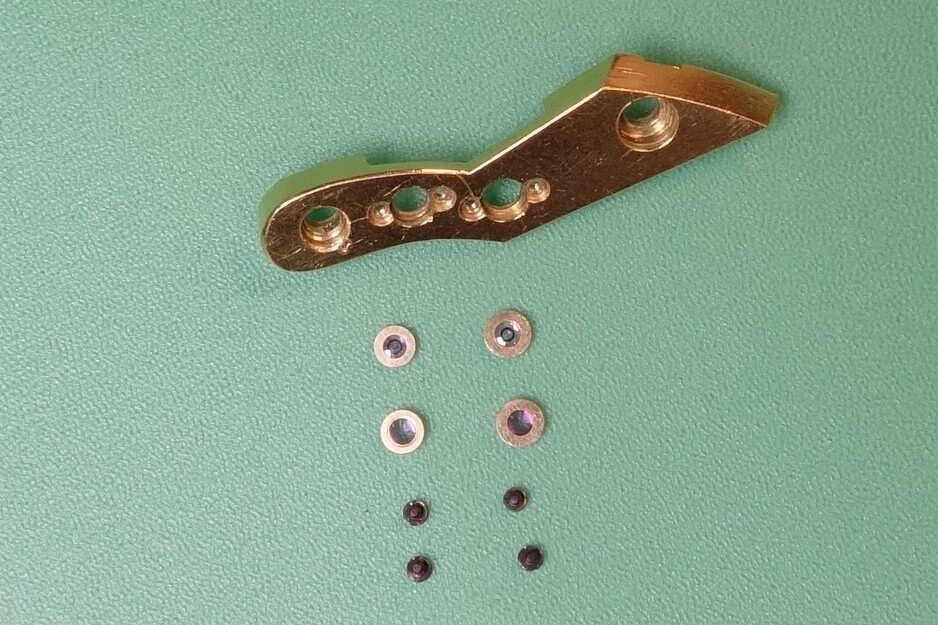
Cap jewels are removed individually.
On movements that have not been maintained for years, the space between the hole jewel and the cap jewel may appear completely dry; however, old, degraded oil residue almost always remains inside.
Simply adding fresh oil over this residue causes the new lubricant to mix with the old contamination and debris. This can severely damage the wheel pivots over time.
While removing these jewels requires meticulous effort, we ensure each one is detached and thoroughly cleaned.
1-3. Disassembly - Keyless Works
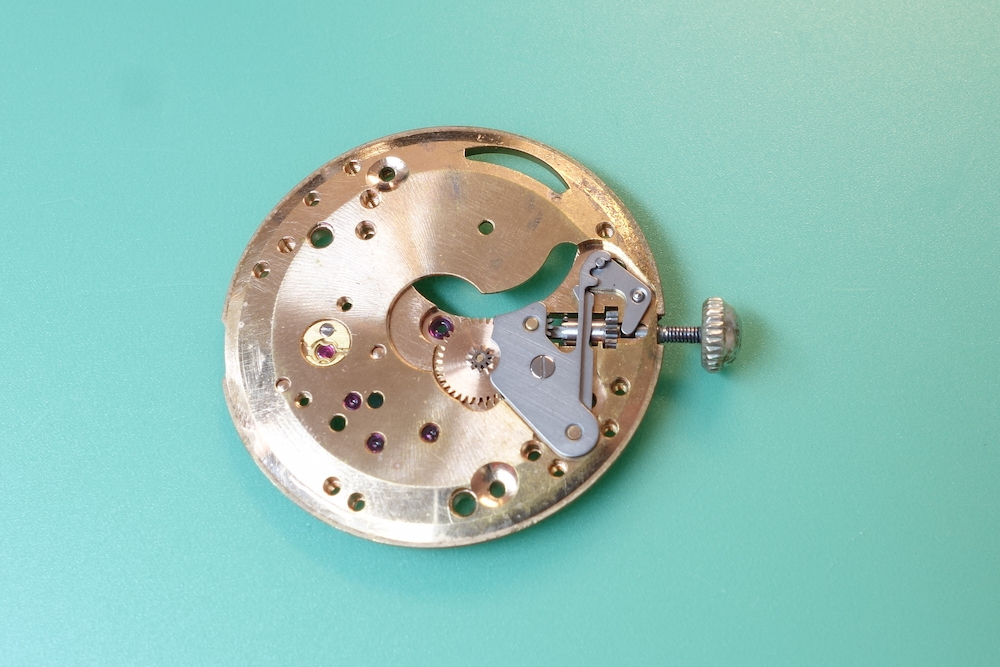
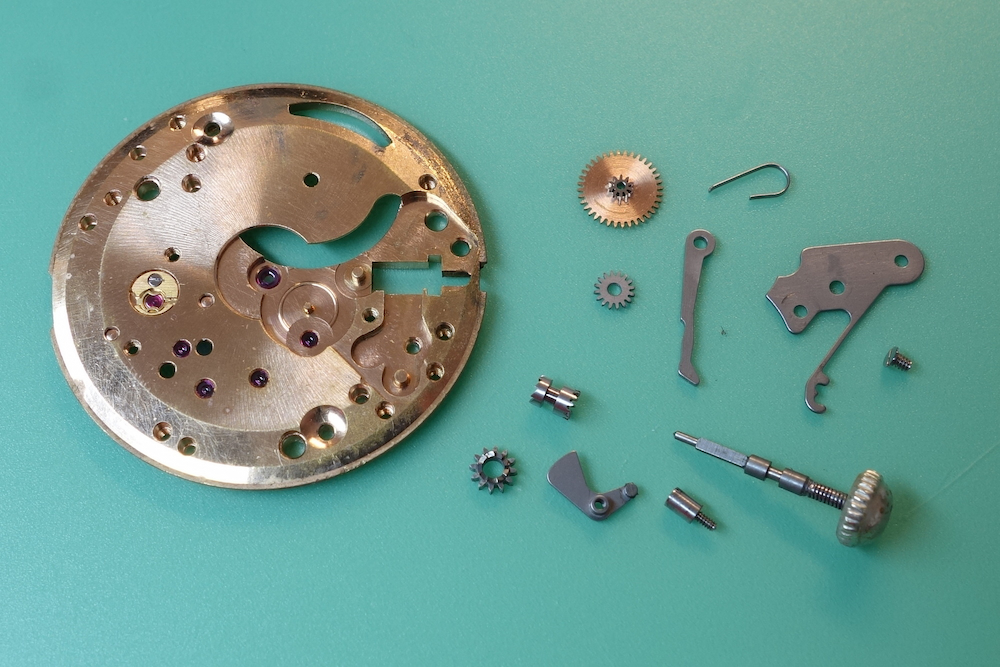
The components of the keyless works and dial side are completely disassembled.
Although this area is not directly related to timekeeping accuracy, these parts engage during manual winding and every time the crown is pulled out to set the time, with many components controlled by high-tension springs.
Because of the intense friction involved, this section is highly prone to producing microscopic metal debris; therefore, all old oil must be thoroughly removed and cleaned during every service.
Furthermore, since many of these components are subject to heavy wear and tear, it is essential to strip them down completely to inspect their structural condition.
Without this meticulous level of care, accumulated metal dust can turn the remaining lubricant into an abrasive paste, leading to the severe wear of critical components like the setting lever and wheels.
2-1. Inspection & Repair - Arbor & Center Wheel Bearings
The arbor bearings of the mainspring barrel and the center wheel are meticulously inspected for signs of wear.
On vintage or older watches, these specific brass holes are traditionally designed without jewel bearings, making them more susceptible to friction and gradual enlargement over time.
When the mainspring is wound and under high tension, worn arbor holes cause the barrel or center wheel to tilt. This misalignment leads to unstable torque delivery and allows the components to rub against the mainplate, leaving visible scoring marks.
For minor wear, the issue is addressed by closing the hole (punching) while taking utmost care to keep the original center alignment intact.
However, in cases of severe wear, additional paid repairs or part replacements may be required.
Examples of these specific repair cases can be found in the link below.
Barrel Arbor Hole Repair
Discover our technical approach to fixing a worn barrel arbor hole. Precision lathe work ensures the original center is maintained.
 dm2 watch service
 3-1. Cleaning - Manual Pre-Cleaning
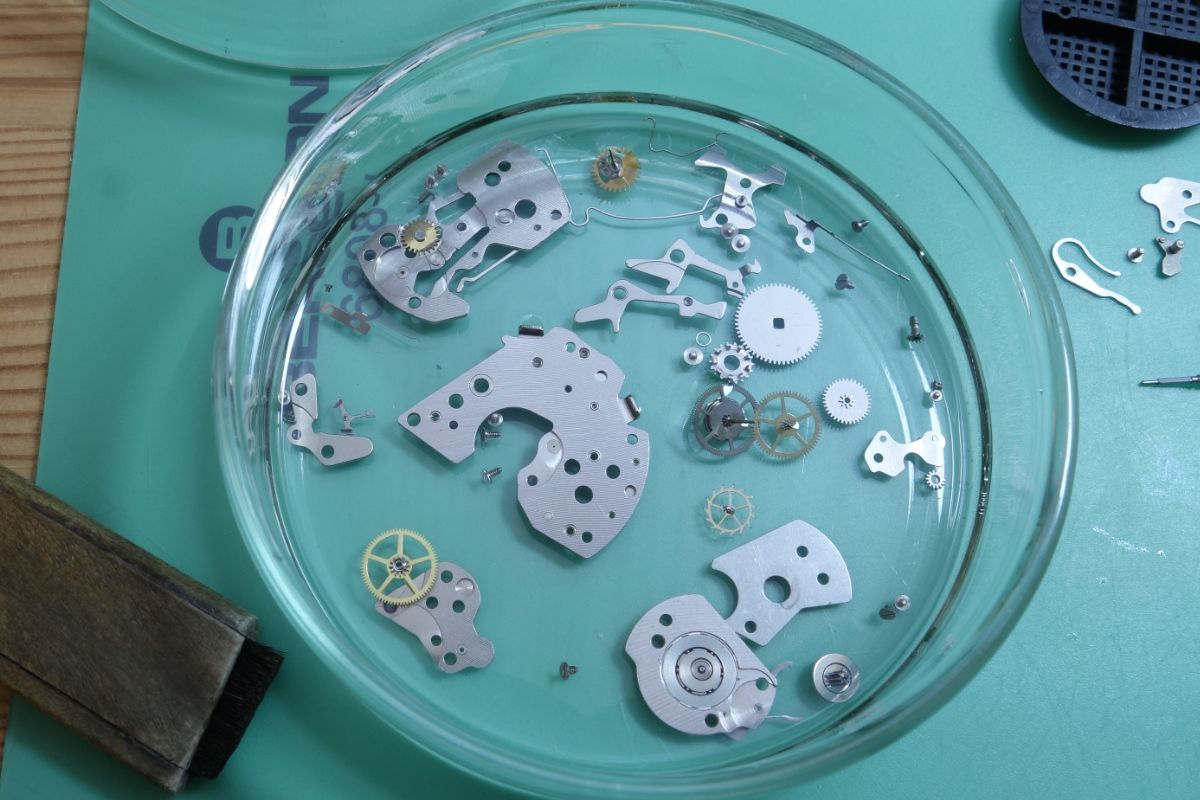
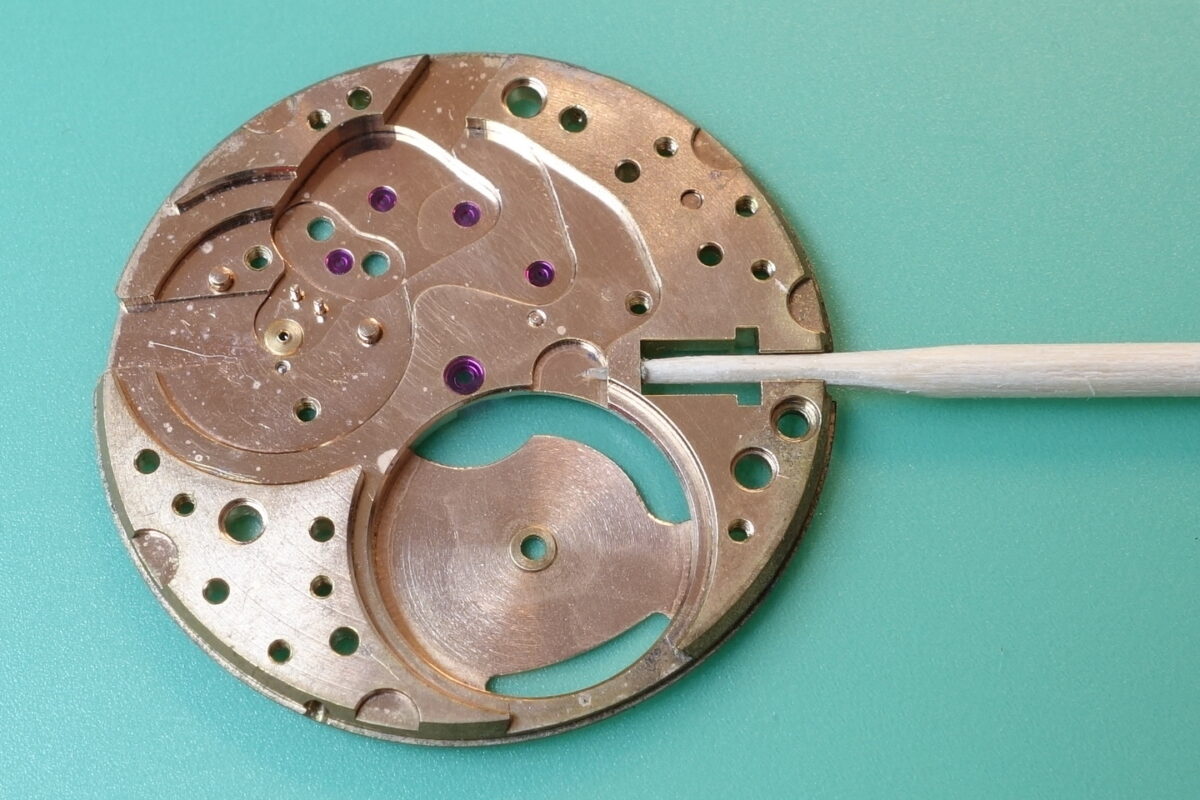

Components undergo meticulous manual pre-cleaning prior to being placed into the ultrasonic cleaner.
Ultrasonic or mechanical cleaning alone is often insufficient to fully dislodge stubborn contamination; therefore, specialized brushes and pegwood (wooden picks) are used to manually remove persistent residue.
While this preliminary process is demanding and time-consuming, it is essential for protecting components and achieving a superior level of cleanliness.
This process is especially vital for high-stress areas—such as the arbor bearings of the mainspring barrel and center wheel, the stem hole in the mainplate, and the internal bore of the cannon pinion—where high-viscosity lubricants frequently dry out.
4-1. Reassembly - Photo Documentation
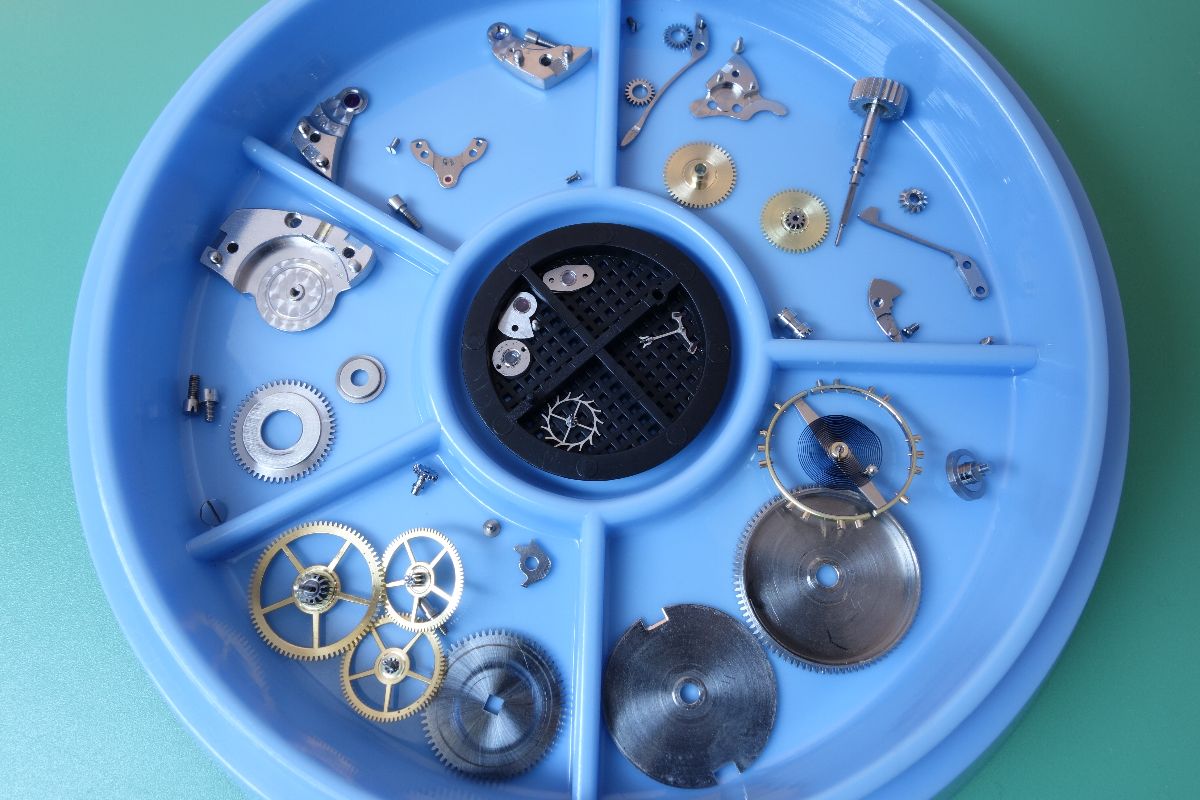
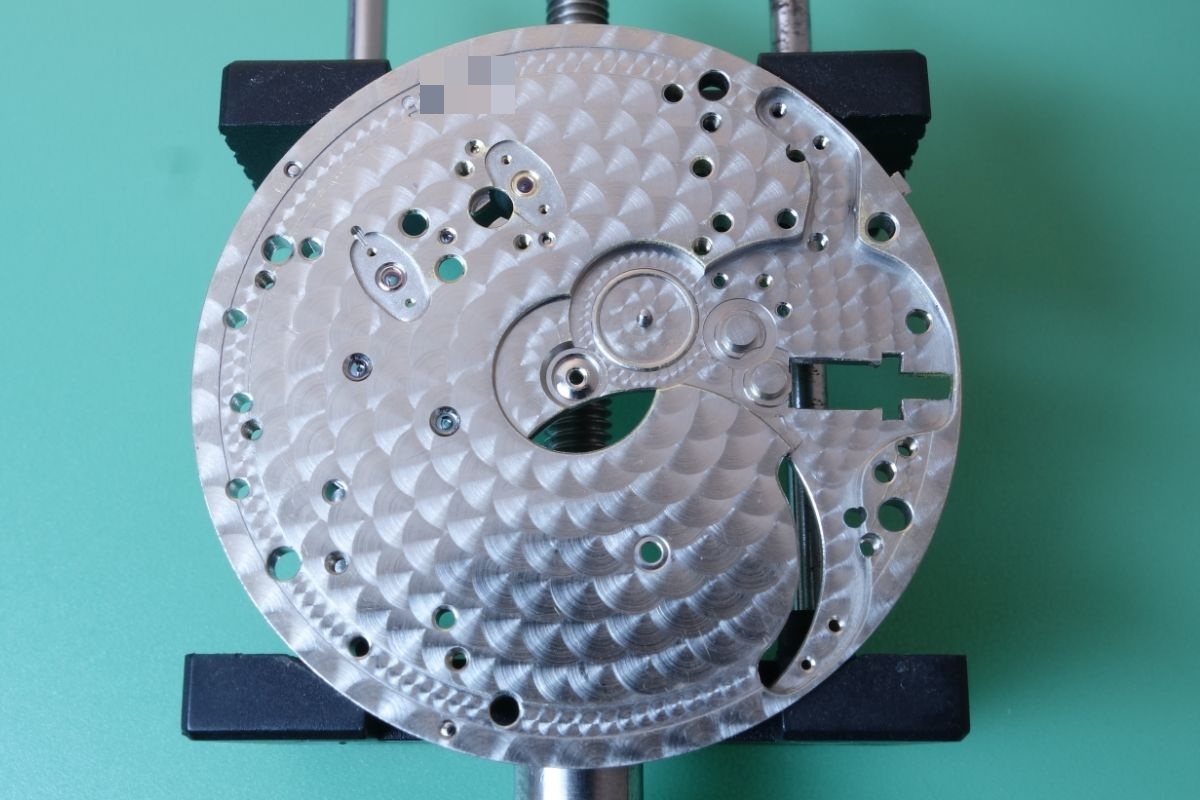
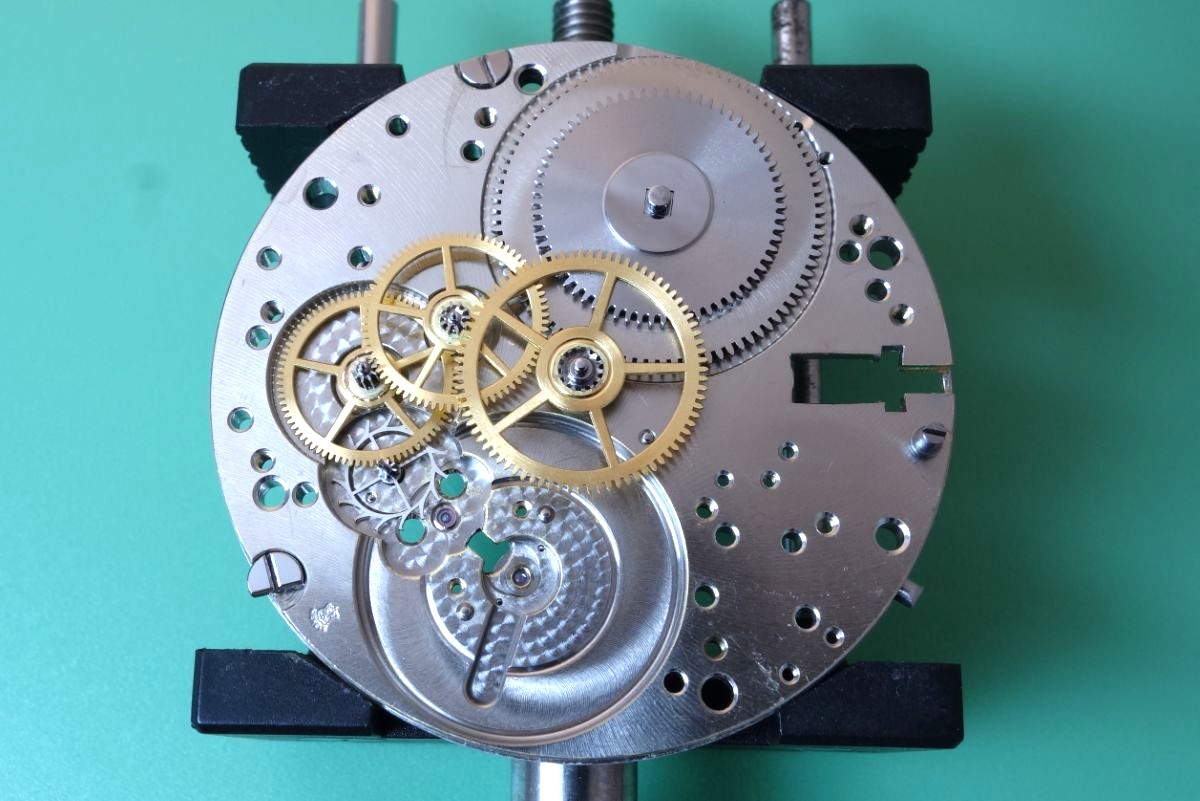
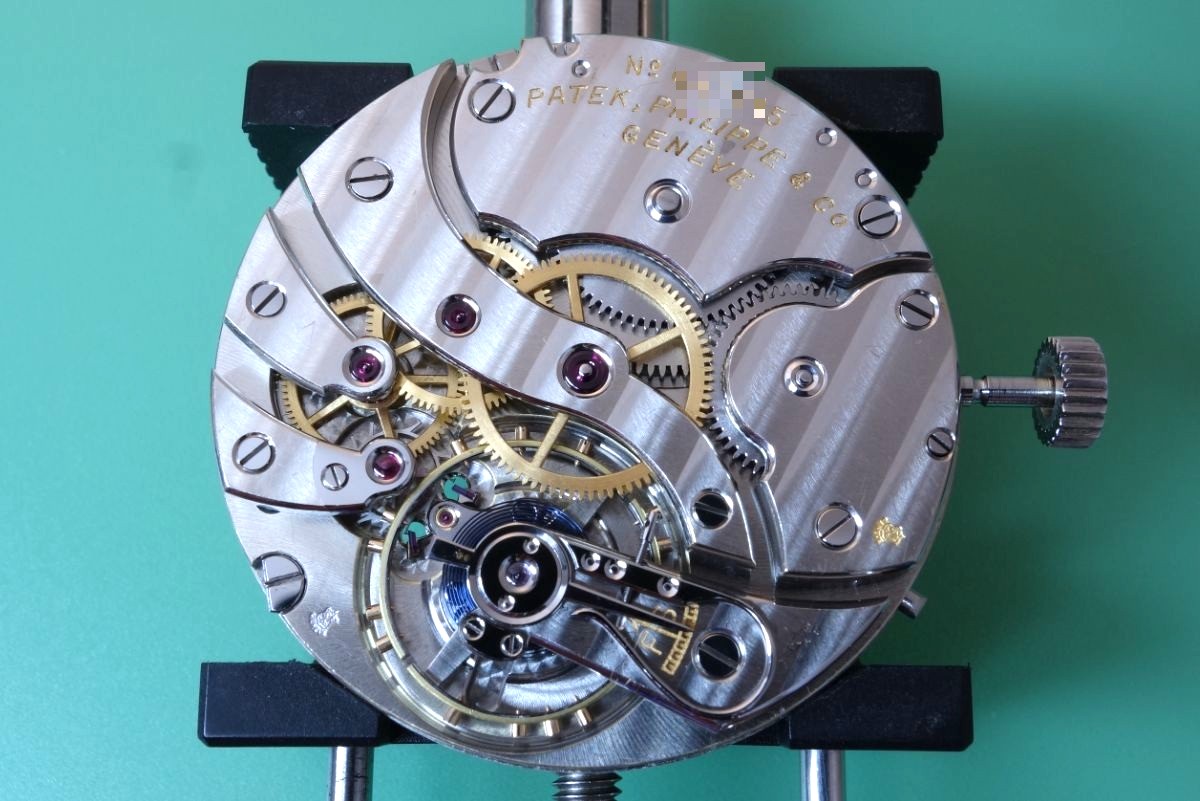
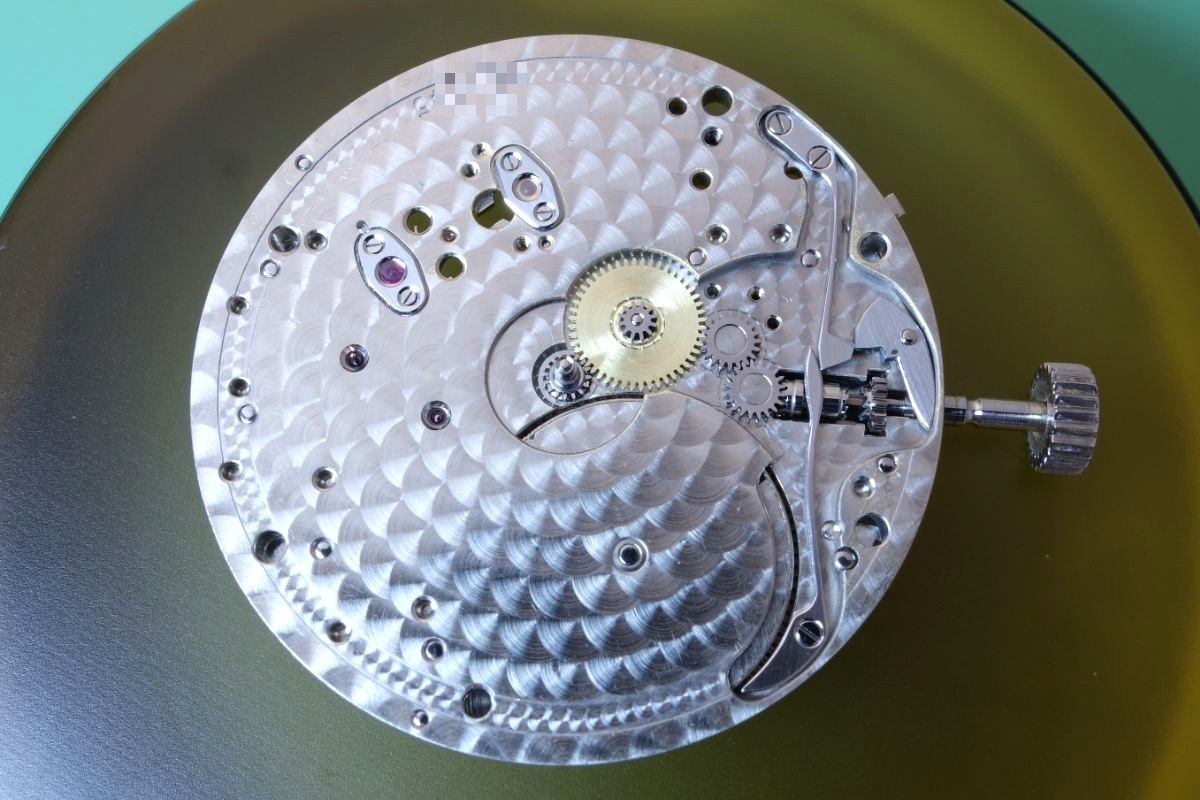
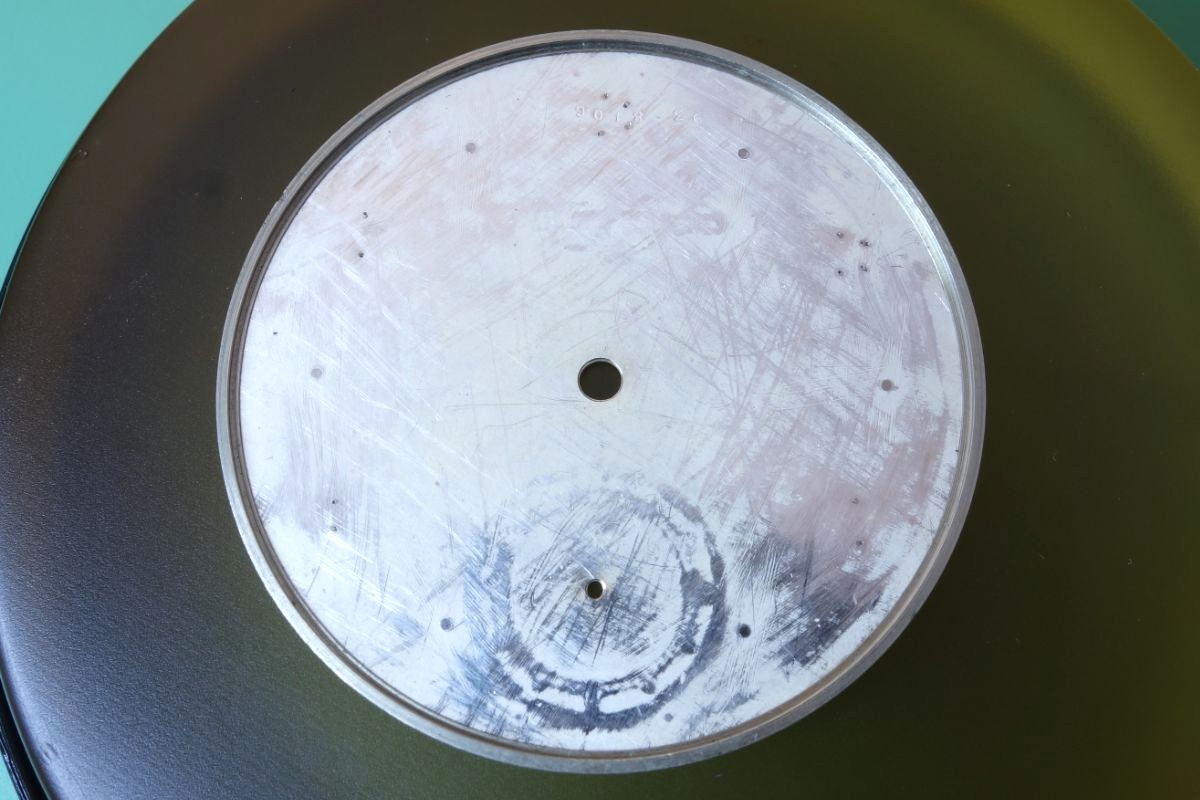
Multiple photographs are captured and provided to the client during the reassembly phase.
This documentation serves as a visual record, providing transparent proof of a complete disassembly and capturing the precise condition of internal components that remain hidden even when the caseback is opened.
Furthermore, high-quality movements feature exquisite, hand-applied finishing on surfaces completely invisible to the owner.
Rather than keeping these breathtaking details exclusive to the watchmaker's bench, these images are shared to allow clients to fully appreciate the hidden artistry inside their timepiece.